


|
Navigation
Recherche
|
How Matter has finally given Apple a path out of the HomeKit mess
vendredi 12 décembre 2025, 12:30 , par Mac 911
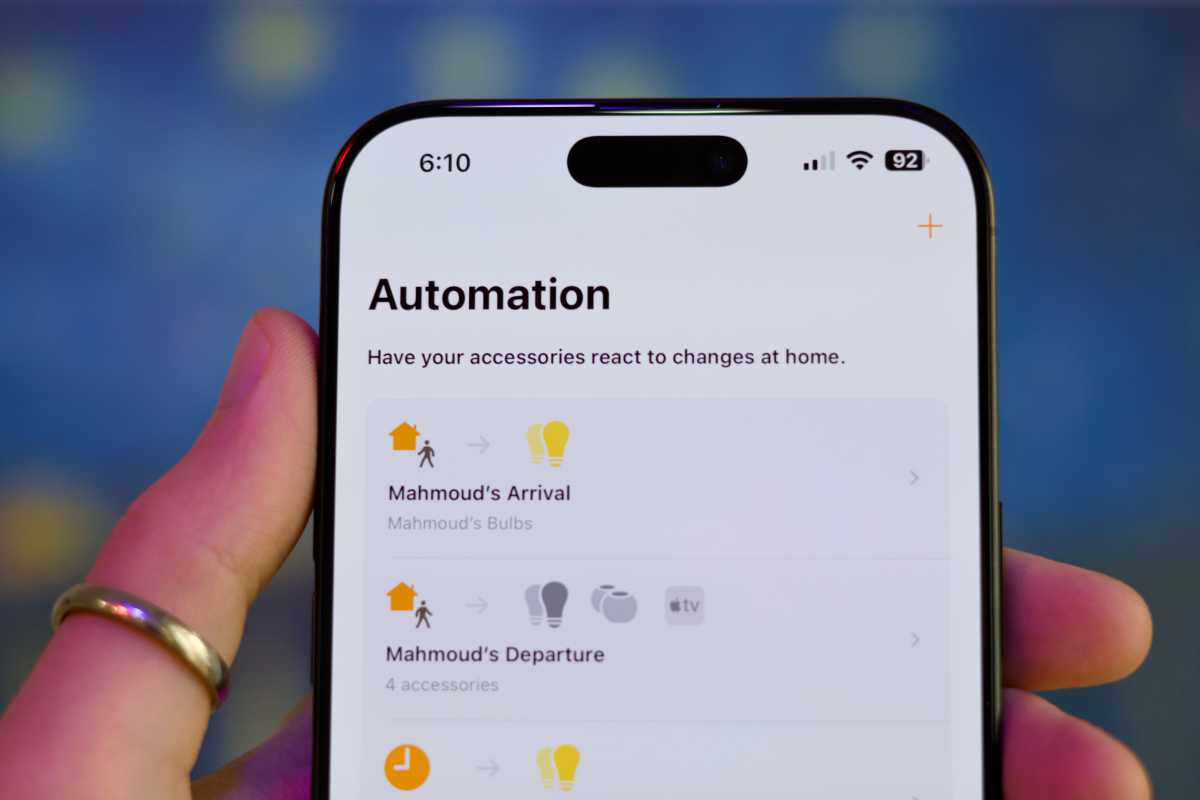
Apple users know the feeling: with most products, everything runs like clockwork. The iPhone? Close to perfect. The Mac? Has been running for years. AirPods? Magical. But with Apple’s HomeKit smart home system, things turned out differently. What Apple announced in 2014 as a revolution in the connected home developed over the years into a story of missed opportunities and technical challenges. Craig Federighi’s presentation at WWDC 2014 sounded promising: A unified system, deeply integrated into the iPhone, secure and private. “Hey Siri, I’m home,” and the lights would come on, the heating would turn on, and your favorite music would play. The reality was more complicated. While Amazon quickly gained market share with Alexa and Google with the Assistant, HomeKit and Siri struggled with teething troubles. The list of compatible devices grew slowly, prices were often significantly higher than the competition, and reliability fluctuated depending on the setup. The structural challenges Right from the start, HomeKit struggled with structural problems. Apple’s high security standards—normally a selling point—suddenly became a hurdle. Each manufacturer had to install a special “Made for iPhone” chip in their devices to handle authentication. These chips not only made the products more expensive, they also made development more complex. While a manufacturer could launch a new product for Alexa on the market within weeks, HomeKit certification took much longer. The result was understandable: Many manufacturers were hesitant to support HomeKit, and prices were higher. A smart socket with HomeKit support typically cost 30 to 40 dollars, while comparable models without HomeKit were available for 15 to 20 dollars. The difference wasn’t always extreme, but noticeable enough to deter many potential buyers. Apple introduced software authentication in 2017. Manufacturers were now able to dispense with the MFi chip and deliver HomeKit support via a software update. However, many promised updates were delayed or did not work optimally. “No response” became a frequent, albeit not universal, error message in the Home app. A particularly difficult moment came in 2022 with iOS 16: Apple promised a new architecture with better performance. However, the migration was problematic for many users. Devices had to be reconnected, and some automations no longer worked. In households with several users, everyone had to update at the same time—anyone who missed this no longer had access. Apple withdrew the update and revised it. For some users, this was the reason to look for alternatives, even if the majority stayed with HomeKit. Foundry Matter: The common new beginning The solution to many problems comes from a common standard in which Apple itself is involved. Matter is the name of the protocol that Apple has developed together with Google, Amazon, Samsung, and over 200 other companies. The new standard addresses the core problem of the smart home market: fragmentation. Instead of developing separate protocols for each company’s ecosystem, a single implementation will work across all systems. For users, this means more choice and flexibility. A Matter lamp can be controlled with Siri as well as with Alexa or Google Home products. Matter also relies on radio chips that understand the Thread protocol. This combines the advantages of different standards: energy-efficient like Zigbee, but IP-based and open. Thread automatically sets up a local mesh network—the more devices, the more stable the connection. Instead of a dedicated bridge, a “border router” can be used: Apple has already integrated Thread into the HomePod Mini and Apple TV 4K for this purpose. Many users, therefore, already have the necessary infrastructure. Thread devices respond quickly and reliably as they communicate locally. Battery life is impressive: sensors often run for over a year on a single button cell. And best of all, the prices are competitive. Matter devices usually cost no more than their proprietary counterparts. When buying, make sure that your new smart home devices are compatible with Matter—software updates to add Matter support are sporadic. The new openness makes it possible to combine different systems. Use Apple’s Home app for daily control, access manufacturer apps for special functions or switch ecosystems if necessary. The smart home market is changing. This is good news for users. We can finally choose devices based primarily on quality and price. Meross The future is now After years of promises, Matter has actually arrived. And it works. The days when you needed a separate app for each device and had to choose between ecosystems are over. Today, you buy a Matter device, scan a QR code and it works in Apple Home, Google Home, Alexa, or Samsung SmartThings. In practice, it turns out that setting up is really as easy as promised. The devices respond faster because they communicate locally. And best of all, your investment is future-proof. If you want to change the ecosystem in two years’ time, no problem, your devices will simply move with you. Of course, not everything is perfect. The range of devices is constantly growing, but they’re still adding entire categories of devices. Robot vacuums and water heaters were just added recently. Some manufacturers continue to hide their best features in proprietary apps. These teething troubles will eventually disappear. Building an Apple smart home Start small and targeted. A Philips Hue Bridge with a few lights, plus an Eve Weather for room climate monitoring, and you have a solid base. From there, you can expand as required, adding plugs, a thermostat, locks, or other devices as needed. The biggest benefit of Matter is its independence. Their devices also work without the internet, without the cloud, without manufacturer servers. In times when companies are cancelling services or suddenly charging fees, this is worth its weight in gold. Thread as a wireless standard makes the system robust and self-healing – the more devices, the more stable the network. Matter is developing rapidly. Version 1.5 will add support for cameras and extend the closures category. Major manufacturers have announced support. Prices will fall, the choice will grow. What is still premium today will become standard tomorrow. Smart home with Matter is no longer witchcraft. It is a tool that improves your everyday life, be it the light that adjusts automatically, the heating that thinks for you or the door that recognizes you. Technology finally takes a back seat. You don’t need to know how Thread works. You just need to know what you want: Comfort, convenience, energy savings, security.
https://www.macworld.com/article/3004214/apples-way-out-of-the-homekit-disaster-matter-finally-makes...
Voir aussi
|

59 sources (15 en français)
Date Actuelle
jeu. 1 janv. - 21:04 CET
|
 Lire la suite sur Mac 911


