


|
Navigation
Recherche
|
I’m an iPhone expert. These are the 10 settings I always change first
lundi 29 décembre 2025, 12:30 , par Macworld UK
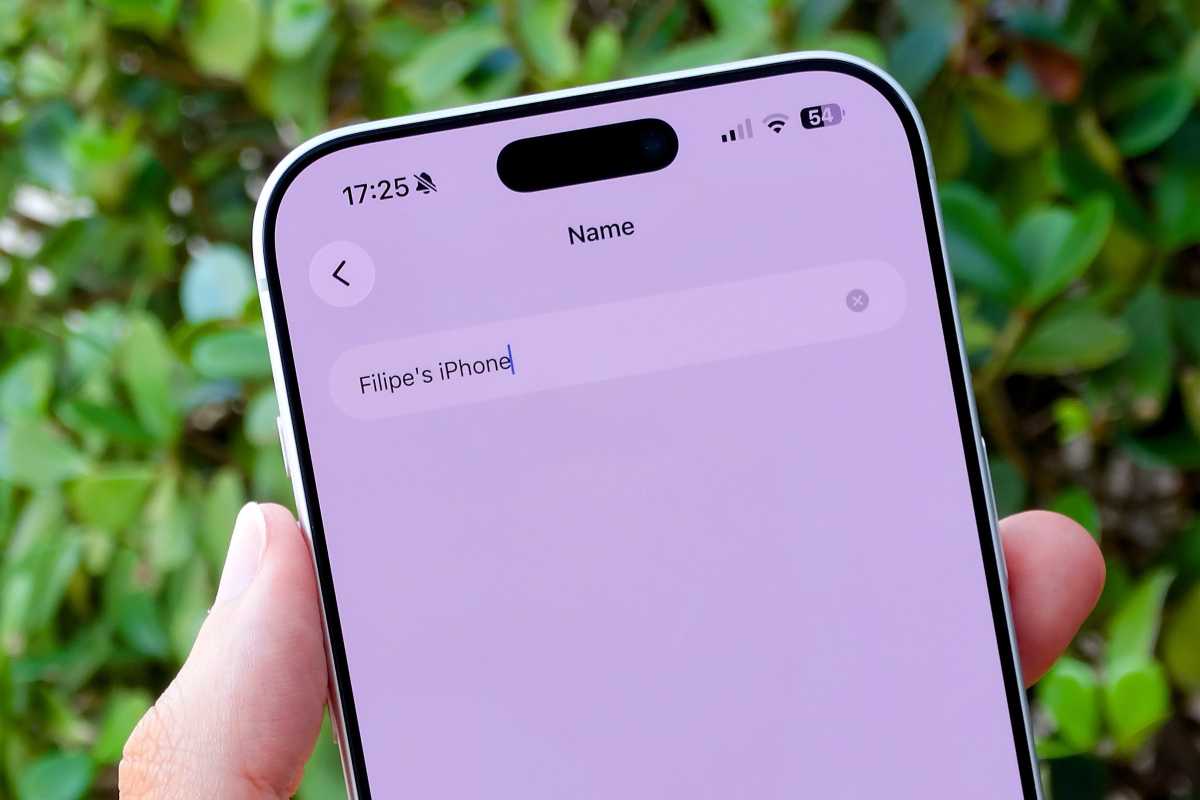
When you set up a new iPhone, iOS prompts you about some preferences for customizing certain things, such as the theme, access to location services, and Siri. Still, there are a lot of hidden features in iOS that many users don’t even know about—even those who have been using iPhones for a long time. Whether you’re setting up a brand new iPhone or have just restored yours, read on as we detail which settings you may want to change on your device to get the most out of it. Give your iPhone a name Did you know that your iPhone has its own name? It appears not only in the list of devices logged into your iCloud account, but is also visible to other people when you AirDrop to them. Changing the name of your iPhone to something more personal than “iPhone 17 Pro” is a good way to start after setting up your new device. To do this, go to Settings > General > About and tap Name. You can type whatever you want. Just keep in mind that other people will see the name you choose if you leave AirDrop turned on, so keep it clean. Make your iPhone yours by giving it a personal name.Foundry Limit Background App Refresh By default, iOS apps can keep their content updated in the background, even when you’re not using the app. This allows apps to be ready with the latest content available when you open them. However, keeping this feature turned on can drain your battery faster. Revisiting this setting is a good way to ensure that your iPhone won’t drain your battery or waste your cellular data plan if you don’t want it to. Go to Settings > General > Background App Refresh and tap Background App Refresh at the top of the list. You can choose from three options: Off: Turn off background updates completely (you will still receive notifications from your apps). Wi-Fi: Your apps will download new content only when your iPhone is connected to a Wi-Fi network. Wi-Fi & Cellular Data: Your apps will download new content regardless of whether you’re connected to Wi-Fi or 5G. If you opt to keep this feature enabled, you can also limit it to specific apps. All you have to do is disable the apps that you don’t want to allow to download content in the background. Switch between light and dark modes automatically During iPhone setup, you can customize things such as text size and whether you want to use your iPhone in light or dark mode. However, there are many more options available when it comes to display settings, and revisiting them can make your experience better and more comfortable. You can set a schedule for when your iPhone switches to dark mode.Foundry For instance, your iPhone can automatically switch between light and dark mode. To do this, go to Settings > Display & Brightness and tap Options under the Appearance section. You can choose between “Sunset to Sunrise,” which will automatically select the best time of day for each theme, or set a custom schedule. Make Liquid Glass more opaque In the same Display & Brightness menu, you’ll also find a “Liquid Glass” option. By default, iOS 26 comes with Clear mode enabled, which makes the entire interface appear more transparent. Choose “Tinted” for a more opaque look with better contrast. Please note that this option is available on iOS 26.1 or later. So if you don’t see it on your iPhone, make sure to update it to the latest version of iOS. If you don’t love Liquid Glass, you can tone it down with the “Tinted” option.Foundry Turn on Always On (or not) Some iPhone models feature Always On Display, which keeps the display on and shows information even after you lock the screen. If you don’t like this mode or just want to turn it off to save some battery life, here’s how to do it. Go to Settings > Display & Brightness and tap Always On Display. Here you can either customize how Always On Display works or turn it off completely. For instance, you can choose to turn off the wallpaper and keep only the clock in Always On mode. There’s also an option to show or hide notifications. If you don’t want Always On Display at all, just switch off the main toggle. Turning it off will make your screen go completely black when you lock your phone, just like in the old days. Not seeing the option? Always On Display was only available on Pro models starting with iPhone 14 Pro. However, all iPhone 17 models support the feature, including the base model and the iPhone Air. Save your eyes at night Here’s another hidden feature you’ll find in the Display & Brightness settings: Night Shift. Introduced with iOS 9, this feature essentially reduces the blue light from your display, making it appear warmer. The idea is to make the screen more comfortable for your eyes, especially at night. You can manually enable Night Shift from sunset to sunrise or set a custom schedule. There’s also a slider to adjust the intensity of the effect on the screen. Enable pro camera features If you want to take advantage of everything your iPhone has to offer when it comes to the camera, it’s definitely worth checking out the Camera section in the Settings app. Even if you don’t have an iPhone 17 Pro, there are lots of professional camera settings at your fingertips.Foundry By default, the iPhone is set to record 1080p videos. You can change the default resolution to 4K in the “Record Video” menu. There, you can also disable HDR video if you want. If you have an iPhone 12 Pro or later, you can also enable ProRAW under the “Formats” menu. After enabling ProRAW, you’ll see a button to turn it on or off in the Camera app when taking photos. You can also take a look at the “Composition” section in the Camera settings. Personally, I like to enable “Grid and Level” to help me take better photos. Disable Control Center on the Lock Screen Control Center on iOS lets users quickly access some useful settings, such as managing Wi-Fi and Bluetooth, changing the volume, enabling Do Not Disturb, or even turning AirDrop on or off. You can access Control Center from anywhere by swiping down from the top right corner of the screen. This works not only from the Home Screen or apps, but also from the Lock Screen. You can limit access to the Control Center in Settings.Foundry However, this also means that anyone who gets their hands on your phone can change settings in Control Center, but there’s a way to change that. First, go to Settings > Face ID. Scroll down until you find Allow Access When Locked. Then, turn off the “Control Center” option. You can also turn off other options to prevent them from being accessed from the Lock Screen, giving you more privacy and security. After turning them off, you can only access Control Center or other features from the Lock Screen after authenticating with Face ID. You’ll find extra levels of security if you dig through the Face ID settings.Foundry Turn on Stolen Device Protection Introduced in iOS 17, Stolen Device Protection adds an extra layer of security to your iPhone if it’s ever stolen, especially if someone also knows your passcode. When enabled, sensitive actions such as changing your Apple ID password, turning off Find My, or accessing saved passwords require Face ID or Touch ID, with no fallback to the passcode. In unfamiliar locations, iOS may also enforce a security delay before allowing these changes. To turn it on, go to Settings > Face ID & Passcode > Stolen Device Protection and enable the feature. This is one of those settings you hope you’ll never need. But if your iPhone is lost or stolen, having it enabled can make a huge difference. Set up an Emergency Contact Setting up an emergency contact ensures that first responders, or anyone trying to help, can reach someone you trust if something happens to you. An Emergency Contact is a set-it-and-forget it feature that could save your life.Foundry Emergency contacts are accessible directly from the Lock Screen without unlocking the iPhone, and they’re also used by features like Emergency SOS and Medical ID. To add an Emergency Contact, open the Health app, tap your profile picture, then go to Medical ID > Edit. From there, you can add one or more emergency contacts and include other useful information such as allergies, medications, or medical conditions. It only takes a minute to set up, but it can be invaluable in a real emergency. Now you’re ready to get the most out of your iPhone Now that you know which settings are worth revisiting, you can make sure your iPhone is configured the right way from the start. A few thoughtful changes can improve everything from battery life and security to how comfortable your iPhone is to use throughout the day.
https://www.macworld.com/article/3018954/im-an-iphone-expert-these-are-the-10-settings-i-always-chan...
Voir aussi
|

59 sources (15 en français)
Date Actuelle
lun. 29 déc. - 15:17 CET
|
 Lire la suite sur Macworld UK


